What Is a Rug Pull and How Does It Work in Crypto Trading
· based on the channel The Jequiz
Key takeaways
- A rug pull is a crypto scam where developers withdraw liquidity abruptly.
- Solana meme coins are common targets for rug pulls due to easy token creation.
- Liquidity platforms like pump.fun and Raydium facilitate token launches and liquidity pools.
- Rug pulls manipulate liquidity and token prices to defraud investors.
- Recognizing red flags and doing security checks is essential to avoid losses.
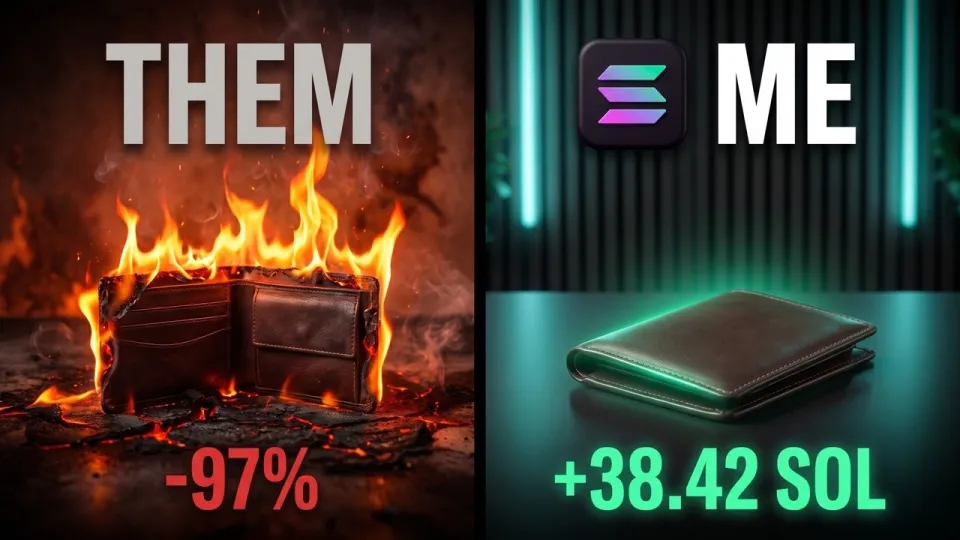
A rug pull is a deceptive scheme in the cryptocurrency market where token creators abruptly withdraw liquidity from a project, causing the token's price to crash and leaving investors with worthless assets. This practice is particularly prevalent in meme coin trading, where new tokens are quickly created and launched on platforms like Solana using tools such as pump.fun and Raydium. Understanding how rug pulls work is crucial for traders and developers to identify risks and avoid significant financial losses.
How Rug Pulls Occur in Meme Coin Trading
Rug pulls typically happen after launching a new token, often a meme coin, designed to attract hype and quick investment. The scam unfolds in several steps:
- Token Creation: Developers create a meme coin with a large supply and set up token authorities to control minting and transfer functions.
- Liquidity Deployment: Liquidity is added to decentralized exchanges like Raydium or pump.fun, enabling trading pairs and initial price discovery.
- Pump Phase: The token's price is artificially pumped through coordinated buys or marketing hype to attract more investors.
- Liquidity Withdrawal: At a strategic moment, developers remove the liquidity pool, effectively draining the market's trading capacity.
- Price Collapse: Without liquidity, the token price crashes, making it impossible for investors to sell their holdings.
This sequence results in a total loss for most investors, while the perpetrators cash out early.
The Role of Solana and Platforms like pump.fun and Raydium
Solana's blockchain offers fast transactions and low fees, making it a popular environment for launching meme coins. Platforms such as pump.fun simplify the process by providing user-friendly interfaces to create tokens and manage liquidity pools. Raydium, a prominent Solana-based decentralized exchange (DEX), allows liquidity providers to add funds and facilitate token swaps.
However, these conveniences also enable malicious actors to set up rug pull schemes rapidly. Since liquidity pools control the token's market depth, removing liquidity on Raydium or pump.fun directly triggers a price crash. Investors should be cautious and verify the legitimacy of token authorities and liquidity provider addresses.
Common Patterns and Red Flags of Rug Pulls
Recognizing rug pull warning signs can save investors from significant losses. Typical red flags include:
- Token with centralized minting authority: If developers retain control over minting or can freeze tokens, they can manipulate supply.
- Unverified or anonymous teams: Lack of transparency often correlates with malicious intent.
- Sudden liquidity additions and removals: Watch transaction histories for liquidity injected and then withdrawn quickly.
- Unrealistic price pumps: Rapid, unexplained price surges usually precede rug pulls.
- No locking of liquidity tokens: Legitimate projects often lock liquidity to assure investors.
Performing due diligence on token contracts and monitoring liquidity movements on-chain tools is advised.
How Liquidity and Token Prices Are Manipulated
Liquidity in decentralized exchanges represents the pool of tokens and paired assets like SOL or USDC that enable trading. Manipulating liquidity directly affects token prices:
- Adding liquidity: Increases market depth and allows trading.
- Removing liquidity: Depletes market depth, often crashing prices.
- Pump and dump: Coordinated buying inflates prices, luring investors before liquidity withdrawal.
Developers with control over liquidity tokens can execute these manipulations efficiently, especially on decentralized platforms that do not enforce strict oversight.
Essential Security Checks Before Investing in New Tokens
To avoid falling victim to rug pulls, investors should:
- Check token contract details: Verify minting authority, ownership renouncement, and code audits if available.
- Analyze liquidity pool status: Confirm liquidity locking and observe historical liquidity changes.
- Research the team behind the token: Transparency and reputation matter.
- Monitor social media and community sentiment: Beware of hype-driven projects with little substance.
- Use blockchain explorers: Track token transfers and liquidity movements.
These steps help identify suspicious projects early and reduce exposure to scams.
Typical Questions About Rug Pulls
Many traders ask how to detect rug pulls in real time or what steps creators take to hide their intentions. Understanding common strategies and technical setups from sources like The Jequiz channel helps clarify these concerns and improve risk management.
Conclusion
Rug pulls remain a significant threat in crypto trading, especially within the meme coin niche on chains like Solana. By understanding how rug pulls work—from token creation and liquidity deployment to manipulation and withdrawal—investors can better safeguard their assets. Utilizing platforms such as pump.fun and Raydium requires caution and thorough security checks. The Jequiz channel provides valuable insights into these mechanisms, helping the community recognize red flags and make safer investment choices.
Questions & answers
What exactly is a rug pull in cryptocurrency trading?
A rug pull is a scam where developers of a cryptocurrency token suddenly withdraw all liquidity from the market, causing the token's price to collapse and leaving investors unable to sell their holdings.
How can I spot a potential rug pull when trading meme coins?
Look for warning signs like centralized minting authority, sudden liquidity changes, anonymous teams, unrealistic price pumps, and lack of liquidity locking. Checking contract details and transaction history helps identify risks.
Why are Solana meme coins often associated with rug pulls?
Solana's fast and low-fee environment allows quick token creation and liquidity deployment on platforms like pump.fun and Raydium, which can be exploited by scammers to execute rug pulls swiftly.
Can liquidity locks prevent rug pulls entirely?
Liquidity locks reduce the risk by preventing developers from withdrawing liquidity immediately, but they are not a guarantee. Investors should still perform comprehensive checks and research before investing.
Source: HOW TO RUG PULL in 2026 CREATE MEME COIN GUIDE · Markdown version